
Environments
Acoustic Spaces
$ 69
Original Acoustic Places
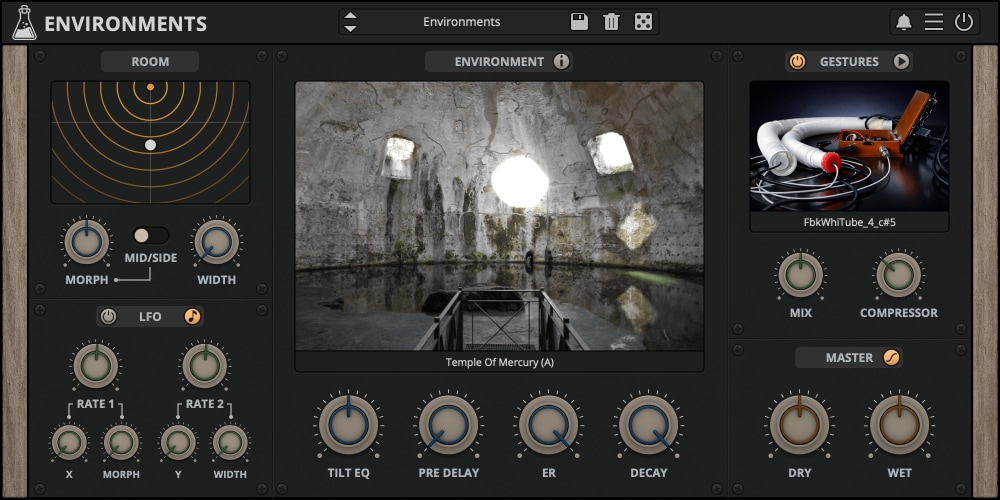
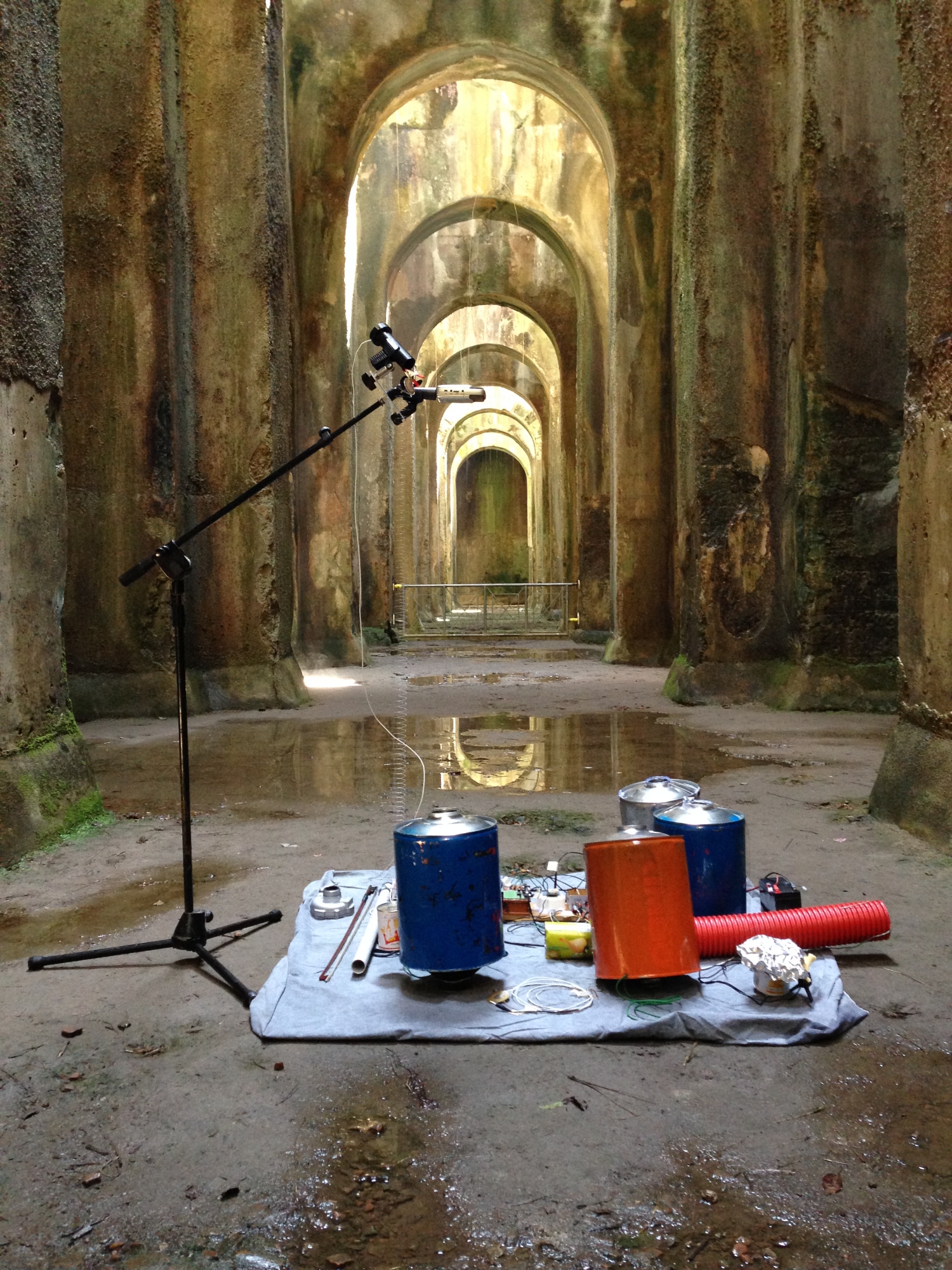
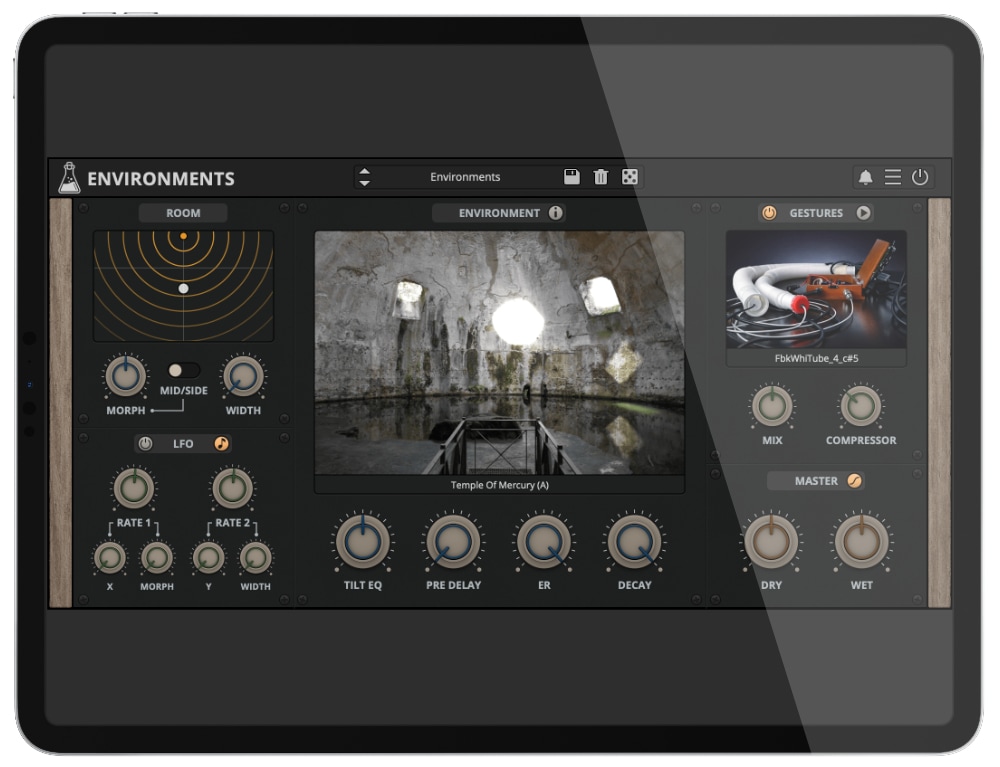
Environments is an interactive experience between performer, sound, and acoustic space. Built from real places with unique sonic identities, it turns reverberation into something living and explorable rather than fixed and static. The environment itself becomes a musical instrument, shaping and transforming the sound in ever changing ways. The spaces captured in Environments are not ordinary rooms, but remarkable architectural environments chosen for their exceptional acoustics, historical character, and sonic individuality. At the heart of Environments is a complex convolution engine that combines multiple impulse responses with different characteristics, giving each space depth and a more lifelike presence. Through the Room section, you can move within each captured environment and reshape its character, while modulation adds further motion and subtle variation over time. Environments also includes Gestures, an additional convolution layer built from sounds and resonances collected during the exploration of these places using spare parts, custom DIY feedback gear, and found objects developed through the Spare Parts Sound Project by artist Salvatore Carannante. The result is more than a reverb: it is a way of playing architecture, resonance, and physical space as part of the music.
Environments is available for macOS, Windows, and Linux (VST2, VST3, AU, AAX, CLAP).
It’s also available on the App Store for iOS and iPadOS (AUv3 and Standalone).
Temple of Mercury
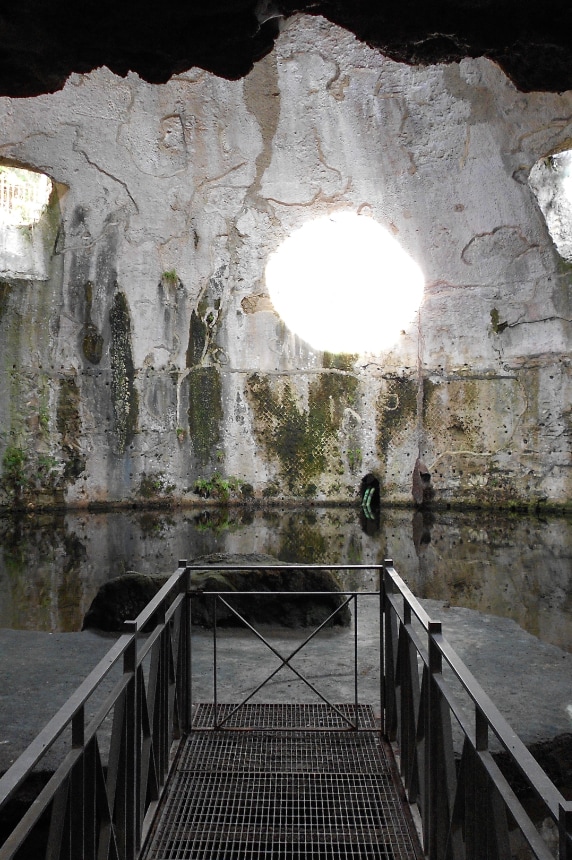
The Temple of Mercury located in Baia near Naples, within the Phlegraean Fields, is a 1st-century BC Roman masterpiece of engineering. Despite its name, it was not a place of worship but a Monumental Thermal Hall (frigidarium) belonging to the vast Baths of Baia.
Famously known as ‘The Echo Temple‘ due to its exceptional acoustics, the structure owes its phenomenal sound effects to its perfect hemispherical shape. This geometry, combined with the water surface that now covers the floor due to bradyseism, allows even a whisper on one side to be heard clearly on the other as sounds bounce repeatedly off the curved walls, creating a haunting and ethereal atmosphere.
The structure is a direct precursor to the Pantheon in Rome. With a diameter of 21.5 meters and a matching internal height of approximately 21 meters, it remains the oldest large-scale dome built from opus caementicium (Roman concrete) and tuff. At its peak, a central oculus allows sunlight to stream in, illuminating the interior just as it does in Rome’s more famous monuments.
Piscina Mirabilis
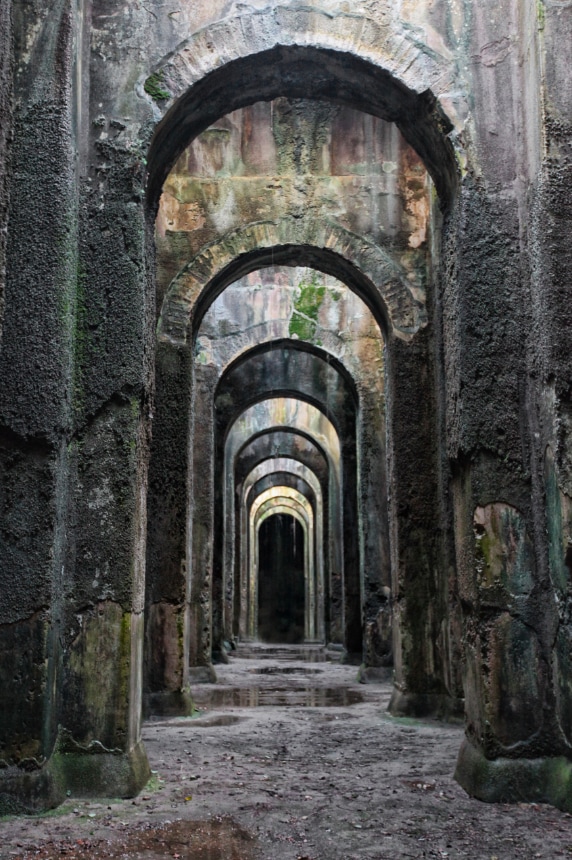
The Piscina Mirabilis is the largest ancient Roman freshwater cistern ever built, located in Bacoli near Naples, within the Phlegraean. Is one of the most impressive examples of Roman hydraulic engineering from the Augustan Period (late 1st century BC / early 1st century AD). Often called the ‘Water Cathedral’ or described as a ‘Subterranean Cathedral’, it served as the terminal reservoir for the Aqua Augusta (Serino Aqueduct), a sophisticated 100km-long system.
Measuring 72m in length, 25m in width, and 15m in height, the reservoir has a capacity of approximately 12,600 cubic meters. This massive reserve ensured that the Classis Misenensis—the most important fleet of the Imperial Roman Navy based in the nearby Port of Misenum—remained self-sufficient even during droughts or prolonged sieges.
The structure is carved directly into the tuff rock and features 48 massive cruciform pillars arranged in four rows of twelve. These pillars support barrel-vaulted ceilings that divide the space into five majestic naves. To ensure the structure was perfectly watertight, the walls and pillars were coated with opus signinum (cocciopesto), a specialized and highly durable Roman waterproof mortar.
Cisternone
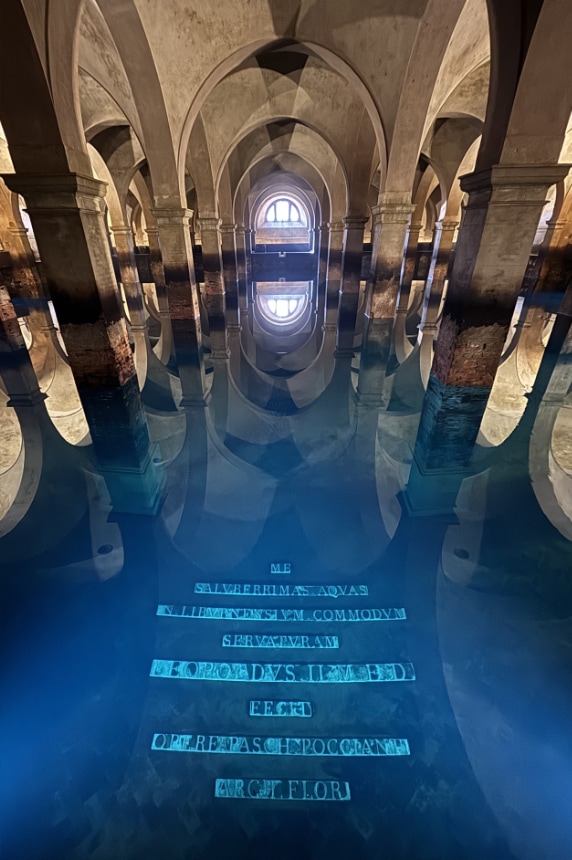
The Cisternone of Livorno, also known as the Great Cistern, is a monumental masterpiece of Neoclassical hydraulic engineering built between 1829 and 1842. Designed by architect Pasquale Poccianti, it served as the heart of the Leopoldino Aqueduct system, ensuring a continuous supply of filtered water to the growing Mediterranean port city.
The interior is a breathtaking space covering an area of approximately 1,900 square meters, measuring roughly 45 meters in length and 42 meters in width. It features a “subterranean” forest of 128 pillars arranged in eight rows, which support a series of cross vaults reaching an impressive height. This vast basin can hold approximately 10,000 cubic meters of water. Unlike ancient Roman cisterns, the Cisternone incorporated an innovative purification system, where water from the Colognole springs was filtered through layers of gravel and charcoal to ensure its purity before distribution.
The reservoir is renowned for its metaphysical atmosphere, where the reflection of the columns in the still, dark water, combined with the dim light filtering through the high windows, creates a silent, temple-like environment. Still partially operational today under the management of the local water utility, this ‘Water Cathedral’ remains a rare bridge between the functional needs of 19th-century urbanism and the aesthetic grandeur of ancient Roman engineering.
Gestures
Gestures adds an extra convolution layer before the environment processing, built from sounds gathered during the exploration of each place. Rather than traditional impulse responses, it uses resonant objects, actions, and feedback driven gestures captured on site with found materials, spare parts, and custom DIY devices developed through the Spare Parts Sound Project.
This additional layer of convolution introduces the possibility of shaping the space in real time, enabling a form of live sound design within the environment itself, as the resulting sonic bands continuously evolve and are never exactly the same, driven by subtle and unpredictable feedback variations. It adds texture, rhythm, and a more physical sense of contact with the space.
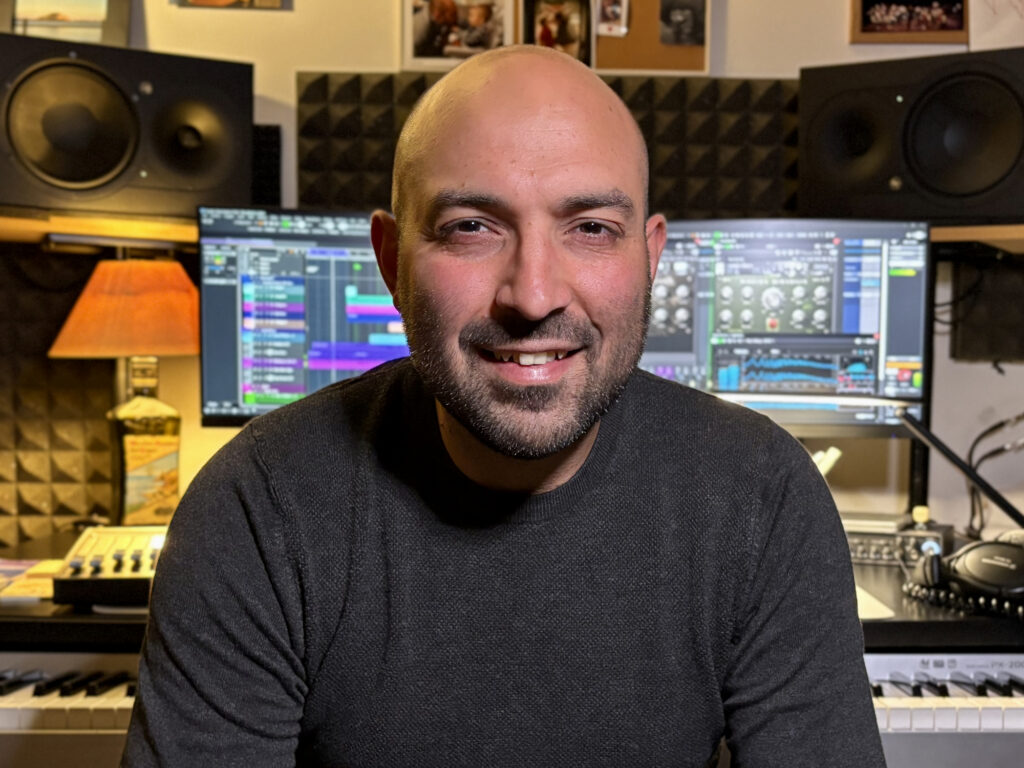
Salvatore Carannante
SalCaran (Salvatore Carannante) is a hybrid musician blending classical music with electronic experimentation. He designs electroacoustic instruments to generate unique soundscapes, creating a dialogue between his two sonic identities. By performing in acoustically peculiar spaces, Salvatore explores the interaction between human, space, and sound research that led to a long standing collaboration with AudioThing and the “Environments” project.
A classically trained pianist, composer, and sound designer, he won first prize at Olefestival for “Spare Parts Sound Project“, an initiative transforming everyday objects into musical instruments.
Environments Demo
Try Environments for free with some limitations: silence for 3 seconds every 45 seconds, saving disabled.
If you like it, you can purchase a license and then authorize the demo version.
macOS
Requires macOS 10.13 or higher
AU, VST2, VST3, AAX, CLAP (64bit only)
Windows
Requires Windows 7 or higher
VST2, VST3, AAX, CLAP (64bit only)
Linux
Requires Ubuntu 20.04 or newer
VST2, VST3, CLAP (64bit only)
Specifications
- 3 Environments with 2 positions each
- Room Simulator
- Two LFOs
- Gestures Loader
- Resizable Window
- Preset system with randomizer
- Brightness and Contrast Controls
System Requirements
Windows 7 – 11
2GHz CPU, 4 GB RAM
VST2, VST3, AAX, CLAP (64-bit)
macOS 10.13 – macOS 26
2GHz CPU, 4 GB RAM
VST2, VST3, AU, AAX, CLAP (64-bit)
Universal 2 Binary
Ubuntu 20.04 LTS
2GHz CPU, 4 GB RAM
VST2, VST3, CLAP (64-bit)
Copy Protection
To activate your plugin you can choose between Online and Offline authorization.
Create an account, log in through the plugin to activate, or download your license file for offline activation.
Activation
1 license up to 3 computers
No iLok
We don’t like dongles
No Internet
No connection required to activate
Changelog
2026/05/14: v1.0
Release!